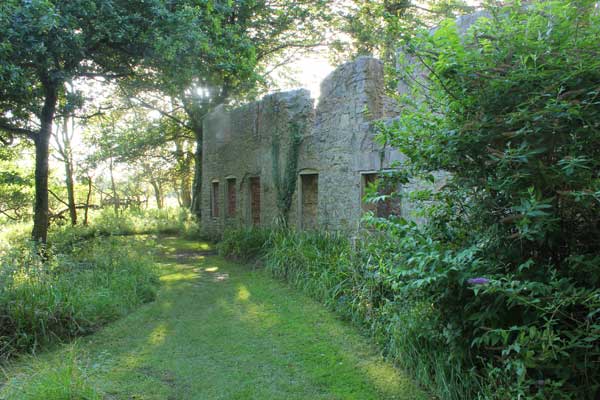
Tyneham Village History
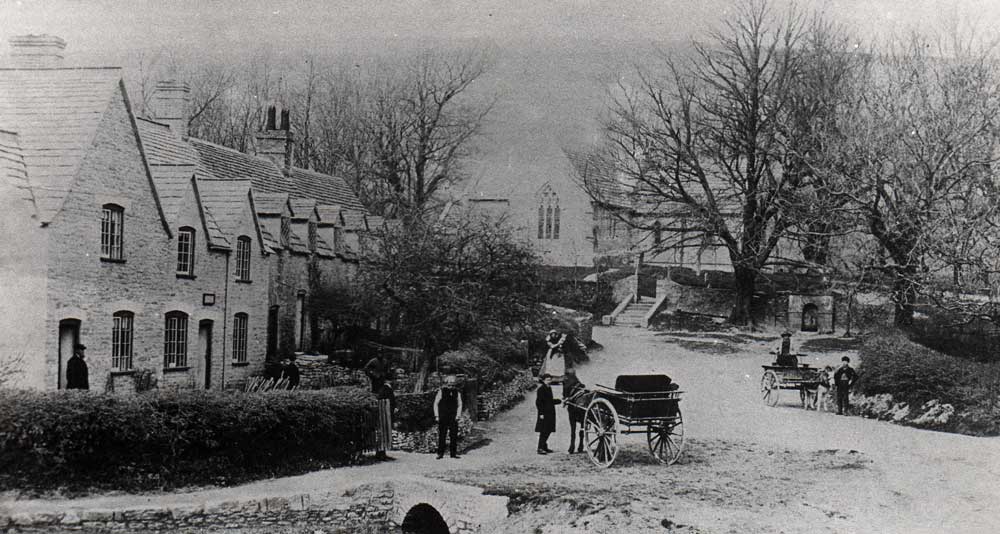
Tyneham's history stretches back to the time of William the Conqueror. After the Norman Conquest in 1066, the king granted large areas of land to his supporters. One of these was his half-brother, the Earl of Mortain, who received the Tyneham estate.

Little is known about Tyneham in the centuries that followed, as records from that time are scarce. Things become clearer in the 14th century, when the village passed into the hands of the prominent Russel family. It was under their ownership that Tyneham began to take on a more permanent form.
In the centuries that followed, Tyneham underwent a succession of familial transitions, each chapter adding depth to its historical narrative. Passing from father to son for five generations, the estate experienced the ebb and flow of life's changes. It was then that Tyneham's stewardship found its way into the hands of the Chykes family, followed by the Popes. These custodians nurtured the estate through their respective tenures, imprinting their own unique legacies upon its landscape.
In a pivotal moment, the Popes relinquished their hold on Tyneham, passing the baton of ownership to John Williams of Herringston. This transfer of ownership marked a turning point in Tyneham's journey, a continuation of its evolving story.
A Sad Time in Tyneham Village History
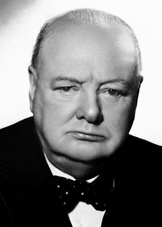
One of the most poignant and heart-wrenching chapters in Tyneham's history unfolded in the waning months of 1943. At this pivotal juncture, the quaint village of Tyneham and its sprawling surroundings, encompassing approximately 7,500 acres of heathland and chalk downland, was thrust into the spotlight of history. The Ministry of Defence, or as it was known at the time, the War Office, exercised its authority to commandeer this idyllic countryside.
This momentous event unfolded just before the Christmas of 1943, casting a shadow over the festive season. The inhabitants of Tyneham, who had called this picturesque village their home for generations, faced a heart-wrenching decision. They departed, leaving behind the hearths and homes that had cradled their lives, under the understanding that their displacement was temporary. A solemn promise echoed in their hearts, a promise that would later be etched into history as 'Churchill's pledge.'
'Churchill's pledge' carried with it the weight of hope, a reassurance that the villagers would be allowed to return to their beloved Tyneham at the close of the war. This assurance was a beacon of solace amidst the uncertainty of wartime upheaval. However, the years that followed would test the resilience of this pledge and the faith of those who had left everything behind.
As chronicled in the Tyneham DVD, the exodus of Tyneham's inhabitants amounted to a total of 252 individuals. Each departure was a poignant farewell to the cherished memories, the community bonds, and the deep-rooted connections that had thrived within this close-knit village for generations.
Once the villagers had reluctantly vacated their beloved homes, a profound transformation swept over Tyneham. The Ministry of Defence imposed a strict ban on public access to the range area, shrouding the once-vibrant village and its picturesque surroundings in an eerie silence. The land, which had once resonated with the laughter of children and the hum of daily life, now lay in the shadow of military secrecy.
This period in Tyneham village history stands as a testament to the sacrifices made during times of conflict, where the promises of return were met with the harsh realities of a world at war. The tale of Tyneham, caught in the throes of history, serves as a poignant reminder of the human cost of conflict and the enduring resilience of communities even in the face of profound upheaval.
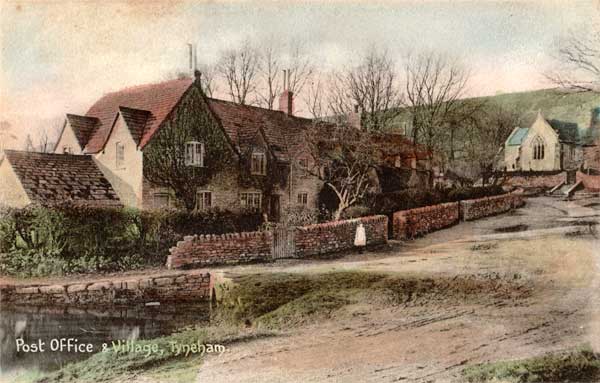
After The War
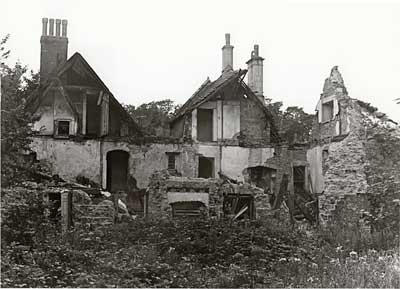
The aftermath of World War II brought a mix of surprise and disappointment to the local community surrounding Tyneham and Worbarrow Bay. Many had anticipated that the Army would promptly vacate the area, allowing the return of the displaced villagers and the resumption of normal life. However, this hope was dashed when it became apparent that the military intended to retain control of the Tyneham area for training purposes.
Undeterred by this setback, local authorities, in collaboration with dedicated landowners and several Members of Parliament, embarked on a campaign to advocate for the release of the land that was still held by the War Department in the Tyneham vicinity. Their collective efforts culminated in a formal representation made to the War Department, urging them to reconsider their stance.
In response to these appeals, a public inquiry was convened to examine the matter. The military, however, maintained that they required the land for essential training exercises, presenting a formidable obstacle to the aspirations of the local community.
Fueled by a sense of urgency and spurred on by the ongoing deterioration of Tyneham House, a renewed campaign to liberate Tyneham from military control was initiated in December 1967. The editor of “Dorset: The County Magazine,” an authority on Tyneham village history, proposed the formation of an action group dedicated to championing the cause of the Tyneham area. Thus, in May 1968, the Tyneham Action Group was established, becoming a focal point for the collective efforts of those who yearned for the return of the village to civilian life.
On July 5th, a significant milestone was reached when a Public Trust Fund named 'Friends of Tyneham' was established. This trust was entrusted with the task of representing the surviving former residents of Tyneham who harboured the fervent desire to return to their ancestral homes.
However, despite these persistent efforts, the government's stance remained steadfast. In August 1974, the government published a White Paper reaffirming its position, asserting that the Tyneham area continued to be essential for military training, thus dashing the hopes of its release.
Today, Tyneham remains largely off-limits for much of the year. Access to the village and its surroundings is tightly regulated, with specific periods each year when Tyneham is open to the general public. This enduring saga reflects the complex interplay between the needs of national defence and the aspirations of a community yearning to reclaim its heritage, resulting in a delicate balance that endures to this day.