Durdle Door
Dorset's Most Iconic Attraction
Durdle Door is a 7.5-mile drive from Tyneham village. Alternatively, you can take the coastal walk - roughly a mile shorter - and enjoy one of Dorset's most spectacular stretches of coastline. Walking from Tyneham will take about 3 hours if you don't stop along the way.
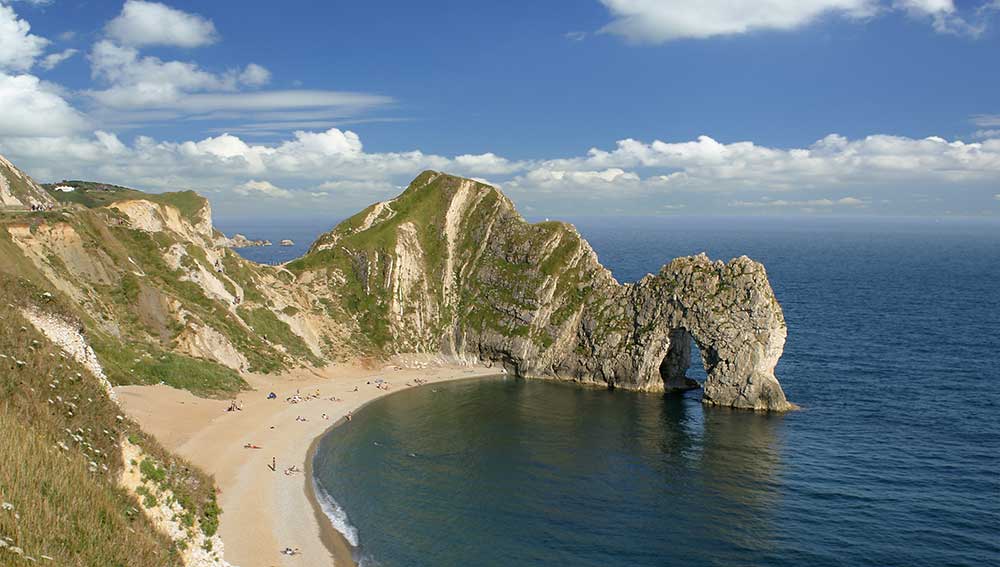
What is Durdle Door?
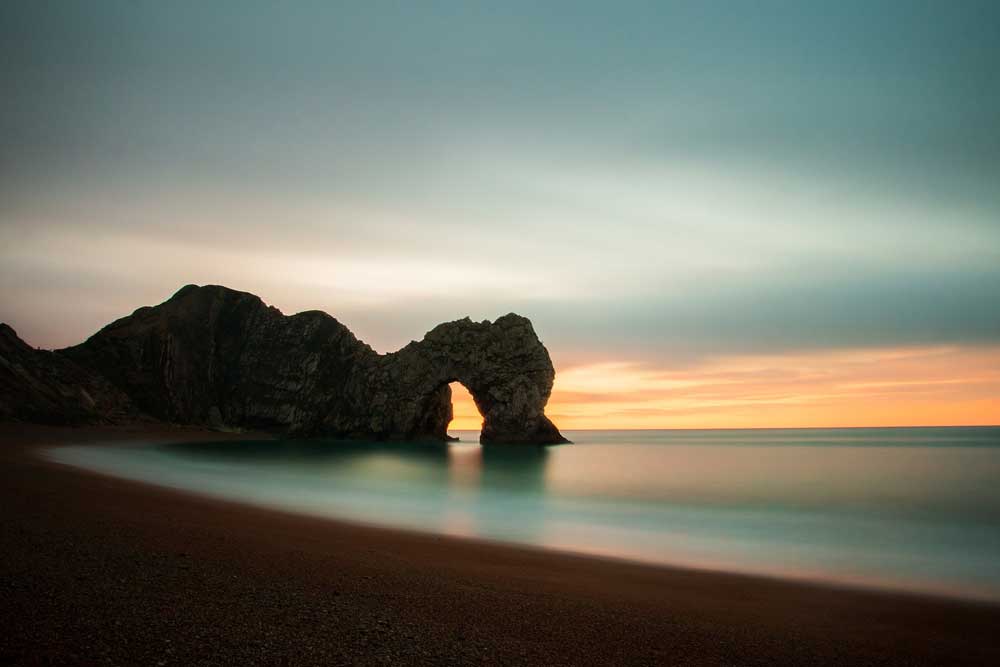
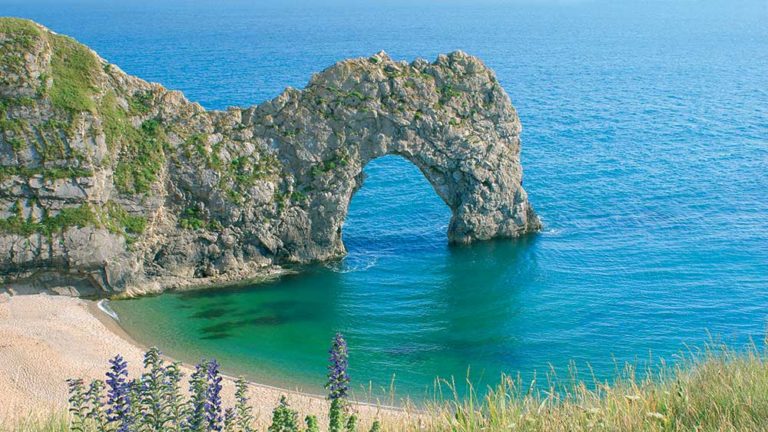
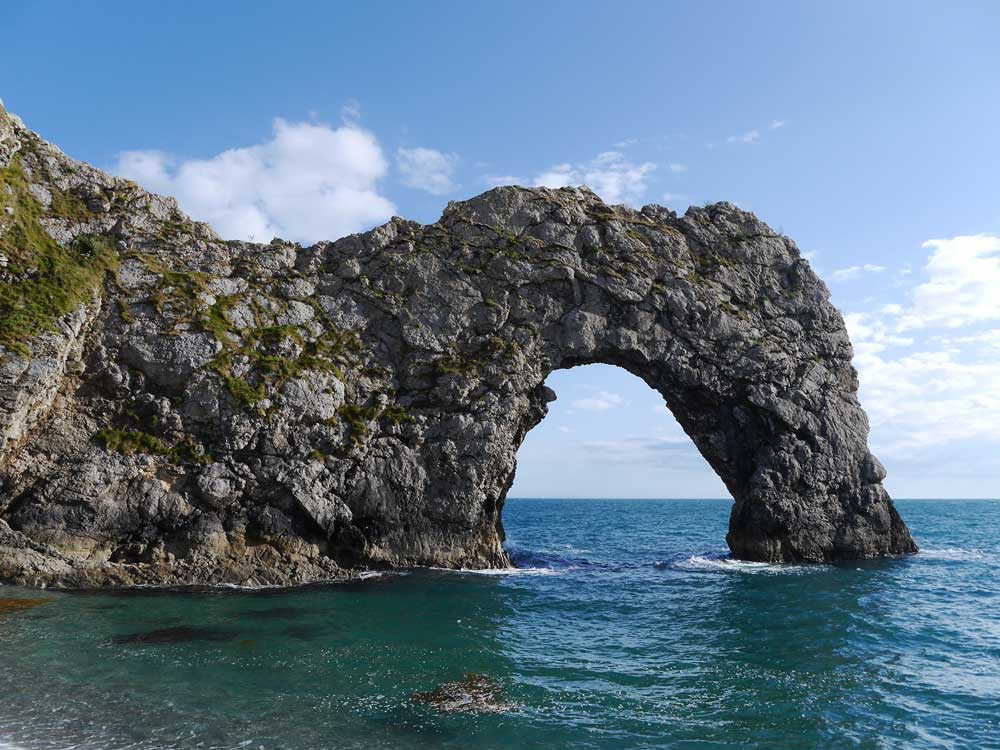
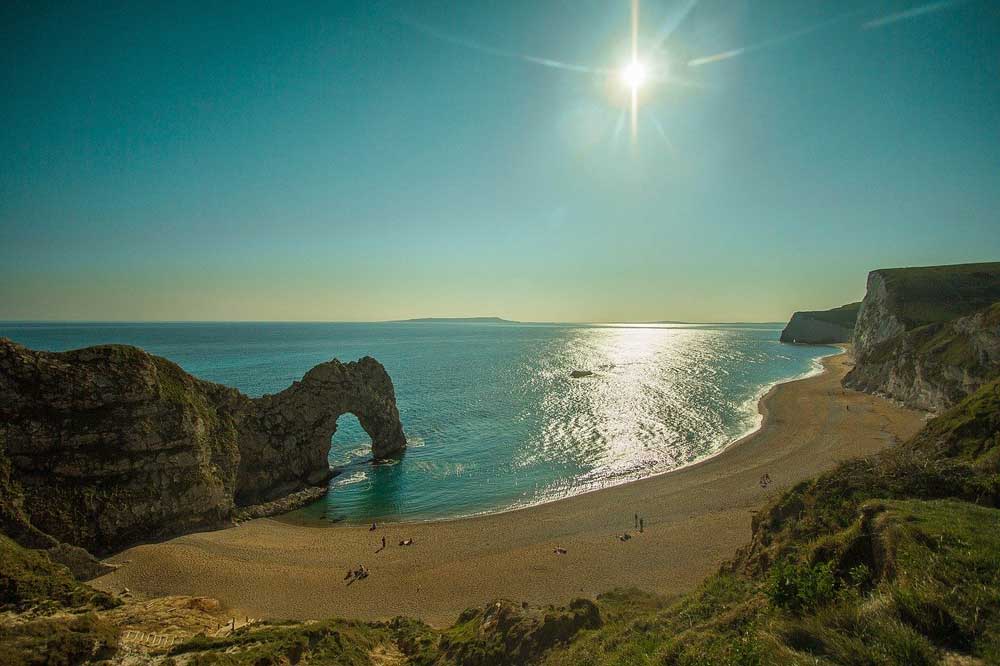
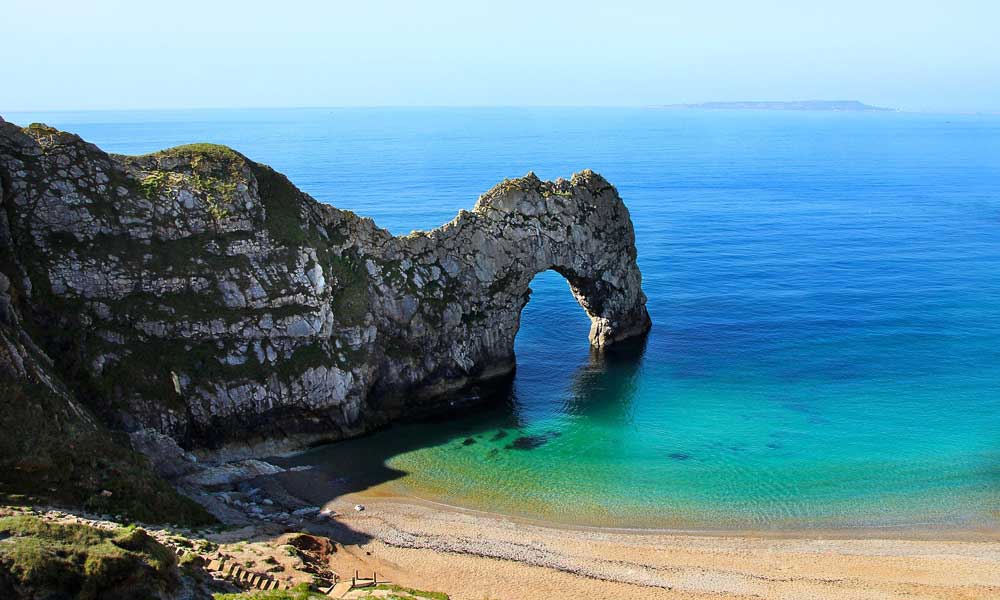
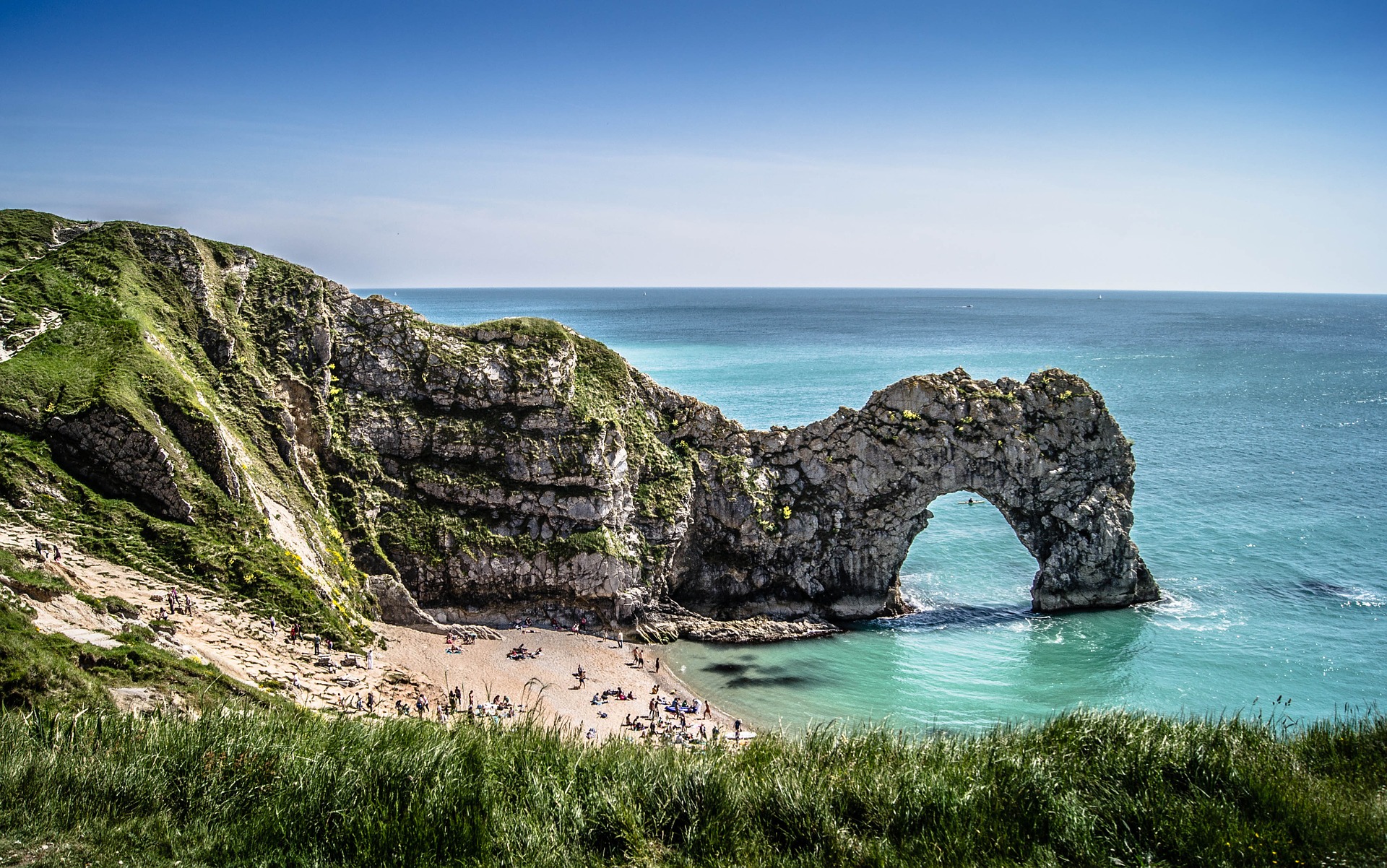
Durdle Door is a natural limestone arch on Dorset's Jurassic Coast - one of the most photographed and recognisable landmarks in the UK. Carved over thousands of years by the sea, the arch is made of hard Portland limestone (the same stone used for St Paul's Cathedral), while the softer rocks around it have eroded away.
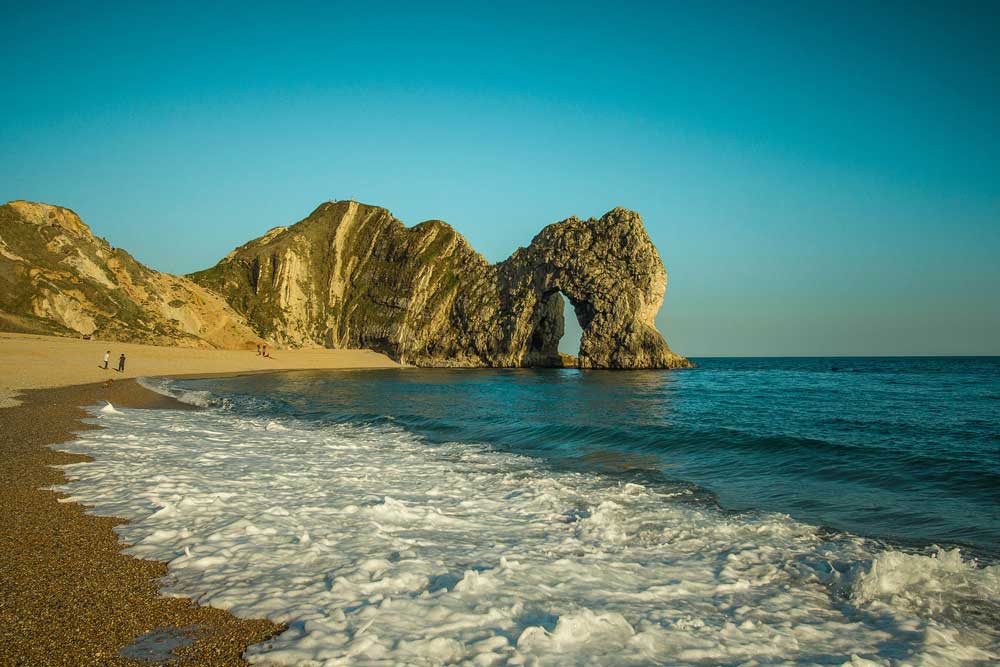
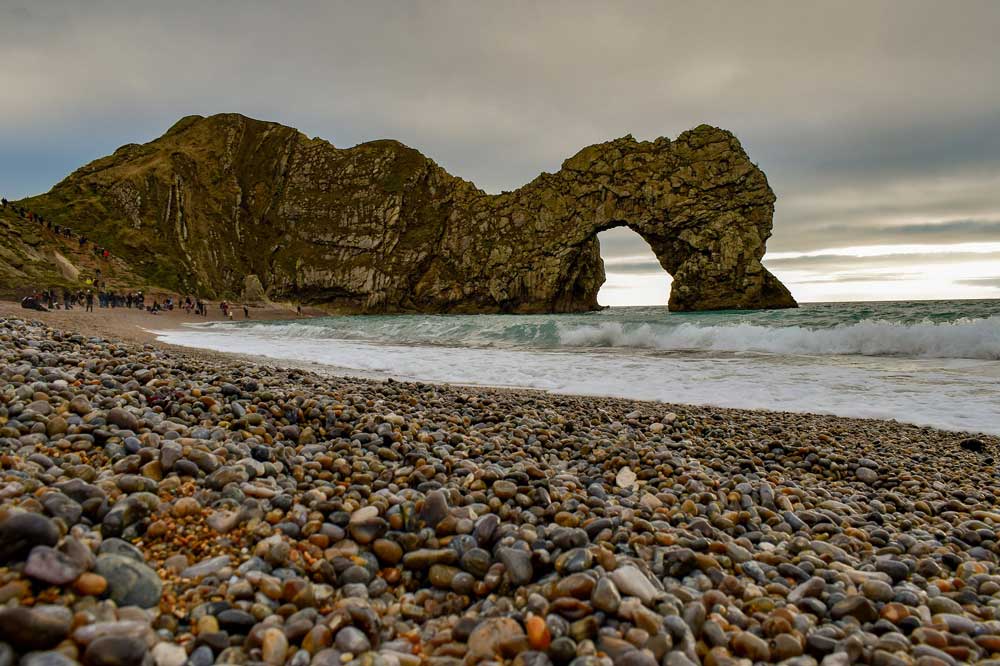
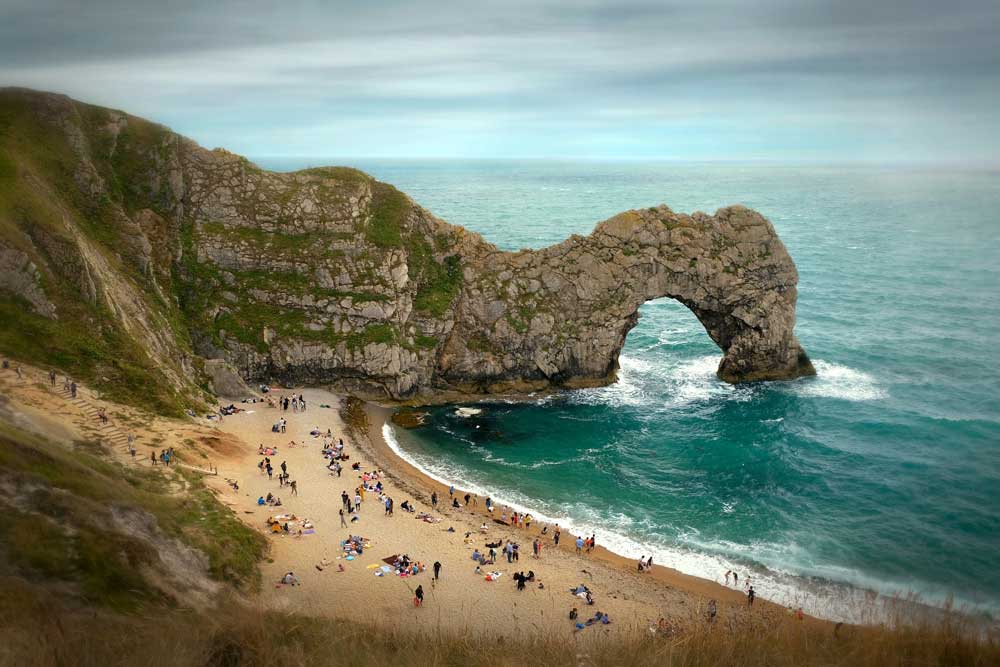
Below the arch lies Durdle Door Beach (also called Durdle Door Cove) - a beautiful pebble beach with clear waters, perfect for swimming, sunbathing, or simply admiring the view. The dramatic setting makes it a favourite with photographers and day-trippers alike.
Directions to Get to Durdle Door
Durdle Door lies on Dorset's Jurassic Coast, close to the village of West Lulworth. The main car park is located above the beach at Durdle Door Holiday Park. Use the postcode BH20 5PU in your sat nav, which will take you directly to the entrance. Roads are clearly marked with brown tourist signs.
By Car (Easiest Option)
From Wareham or the east (Bournemouth / Poole)
Take the A352 towards Dorchester via Wool. Turn onto the B3070 (signposted Lulworth Cove / West Lulworth). Continue through West Lulworth village, then turn right uphill following signs for Durdle Door. The car park entrance is on the left.
From Weymouth or the west (Dorchester)
Travel towards Wool on the A352. Before reaching Wool, turn right towards Winfrith Newburgh (signposted Lulworth Cove). Follow the road through the village and continue following signs to Durdle Door. The car park entrance is on the right.
From London
Take the M3 south, then join the A31 and A35 towards Dorchester and Bere Regis. Join the A352 south through Wool, then follow signs for Durdle Door. The journey typically takes around 2.5-3 hours, depending on traffic.
The Durdle Door postcode is BH20 5PU
On Foot (From Tyneham village)
Alternatively, you can walk from Tyneham Village to Durdle Door via Worbarrow Bay and Lulworth Cove along the South West Coast Path. This is a spectacular but strenuous route, covering roughly 8-10 miles one way, with several steep climbs and descents.
Route Overview (Tyneham → Durdle Door)
- Start in Tyneham Village, parking at the free car park when the ranges are open.
- Head south from the village along the signed path down the valley to Worbarrow Bay (around 1 mile). This is an easy downhill walk to the shingle beach — a great spot for a break, dip, or picnic.
- From the bay, climb steeply west up Worbarrow Tout, then continue along the cliff-top Coast Path over Flower's Barrow, an Iron Age hillfort with panoramic views.
- Descend to Arish Mell, followed by another demanding climb, before dropping down into Lulworth Cove. The distance from Tyneham to Lulworth Cove is roughly 5-6 miles, typically taking 4-5 hours with stops.
- From the Lulworth Cove car park, follow the well-signed path west, climbing steep steps over Hambury Tout, then continue along the cliffs to Durdle Door. This final section is around 1 mile and takes 30-45 minutes, with stunning views of the famous limestone arch.
This full route rewards walkers with some of the most dramatic scenery on the Jurassic Coast, including hidden bays, chalk cliffs, and seasonal wildflowers. Wear sturdy footwear, carry water and snacks (facilities are limited), and be prepared for sustained hills. Total elevation gain is approximately 1,500-2,000 feet.

Facilities and Parking at Durdle Door
There's plenty of parking at the top of the cliff, but it can be expensive (similar to Lulworth Cove). The car park gives great views of the arch even if you don't fancy the walk down.
There's no parking on the beach itself. Swimming is allowed but there are no lifeguards - take care with tides and currents.
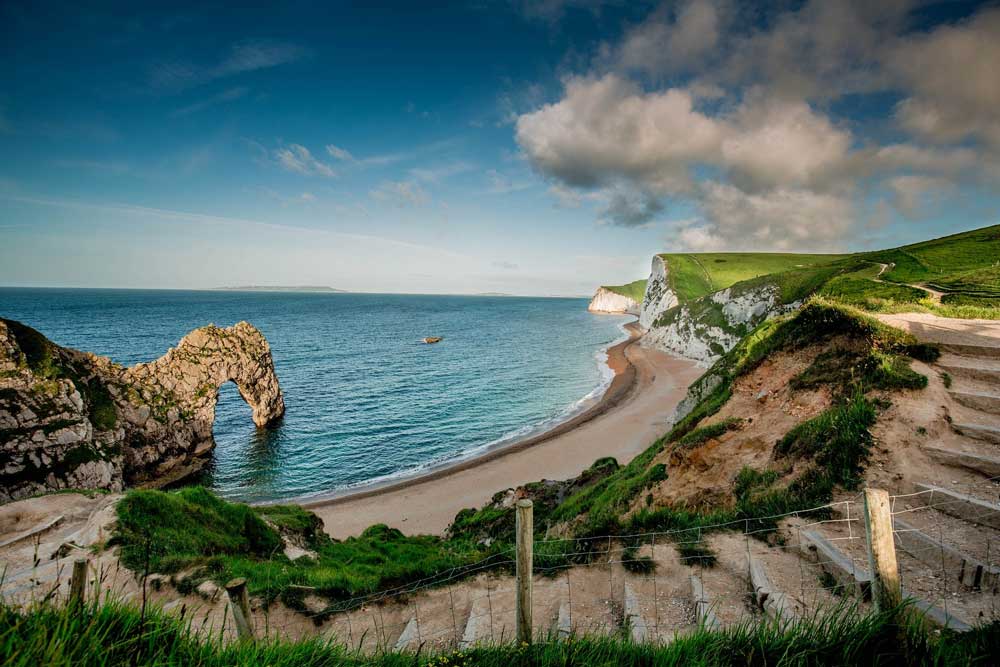
The path from the car park to the beach is about half a mile: steep downhill followed by roughly 150 steps. It's a good workout coming back up, so wear sensible shoes and bring water.
You'll find toilets and usually a refreshment kiosk at the car park. On the beach itself there are no facilities.
It gets very busy in summer - on the busiest days police sometimes close access to the whole area (including Lulworth Cove and Durdle Door). Arriving early or visiting outside peak season is recommended.
Durdle Door Accommodation
Accommodation near Durdle Door ranges from hotels to campsites. Popular nearby places to stay include:
- Lulworth Cove - closest, with guesthouses, B&Bs and cottages.
- West Lulworth - charming village with inns and holiday cottages.
- Wareham - larger town with more hotels and amenities.
- Swanage - seaside town with a wide choice of accommodation.
- Camping/Caravan Sites - several nearby, including Durdle Door Holiday Park.
- Holiday Rentals - Airbnb and similar often have properties in the area.
Book early for summer and holidays - places fill up fast.
Frequently Asked Questions
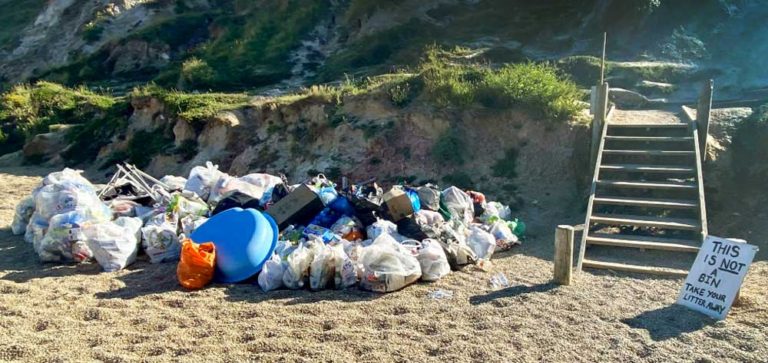
Please Treat Durdle Door With Respect
It's heartbreaking to see how much rubbish can be left behind on busy summer days. Volunteers spend hours cleaning up after careless visitors.
Please don't add to the problem - take your litter home or use the bins provided.