Tyneham Village in Dorset
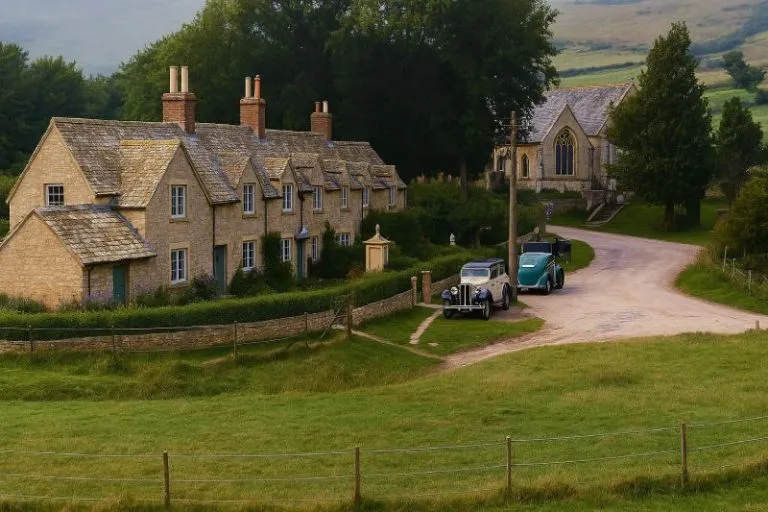
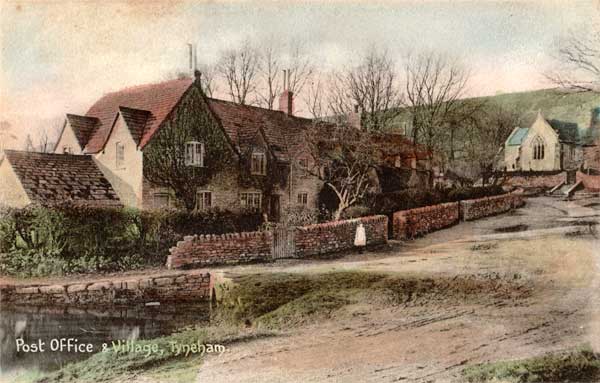
Nestled amidst the picturesque landscapes of Dorset’s Jurassic Coast, Tyneham Village is a poignant relic of a bygone era. Stepping into Tyneham is like stepping back in time; its charming stone cottages, weathered by the passage of years, offer a haunting yet evocative glimpse into the lives of the villagers who were forced to abandon their homes during World War II.
The village sits frozen in time, surrounded by idyllic countryside, showcasing the enduring spirit of a once-thriving community while serving as a living testament to the sacrifices made in the name of national defence.
Where is Tyneham?
Dorset's Forgotten Village - A Brief History
Located within the serene landscapes of Dorset, Tyneham Village stands as one of the region's most intriguing and evocative tourist destinations. With a rich history that spans generations, the village's story is both a testament to its past vitality and a sombre reminder of the passage of time.
Once a vibrant and bustling community, Tyneham was a hub of activity before the ravages of war altered its fate. The village, now standing deserted for over seven decades, was witness to a bygone era of simplicity and rural charm.
The evacuation was a pivotal moment in Tyneham village history. Prior to the evacuation during World War II, Tyneham thrived as an idyllic countryside village. Positioned merely a stone's throw away from the tranquil Worbarrow Bay, the village enjoyed the close proximity to the sea and the scenic allure of the surrounding landscape such as Flower's Barrow and Worbarrow Tout.
Key Buildings Within The Village
The village boasted its own array of essential institutions, including a quaint church, a functional school, a peaceful rectory, numerous farms, and a collection of charming cottages.
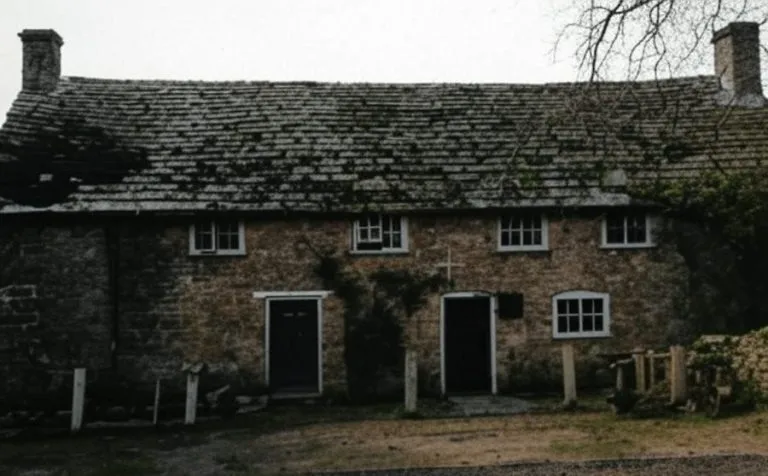
Dominating the village’s architectural landscape was the imposing Tyneham House, also referred to as the Great House, an emblem of elegance and stature.

North East View of Tyneham House 1943
Tyneham Village Life
Life within Tyneham was characterized by a simple and idyllic existence. In an era where modern conveniences were scarce, the absence of electricity and running water did little to diminish the village's allure. The villagers found contentment in the unhurried rhythm of life, shielded from the complexities and challenges of the outside world.
Today, as visitors explore the deserted streets and preserved remnants of Tyneham Village, they are transported back in time to an era of tranquillity and a close-knit community. The village's poignant history serves as a poignant reminder of the impermanence of even the most cherished way of life.
Tyneham Village stands as a testament to the power of history to shape landscapes and a tribute to the enduring spirit of those who once called it home.
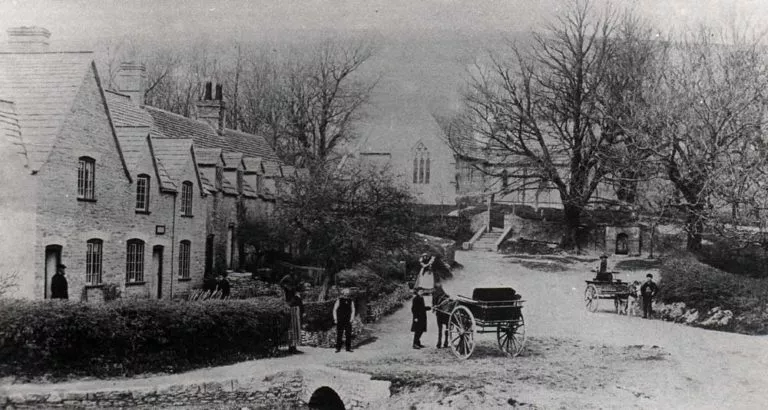
The Tyneham Village DVD
The most detailed account of life in Tyneham is from the Tyneham Remembered DVD. It contains many interviews with the people who lived in the village. It’s definitely recommended for anyone with an interest in Tyneham village and its history.
The Tyneham Remembered DVD can be purchased directly from this website or from Amazon.

Why Did Tyneham’s Inhabitants Leave?
The story behind the evacuation of Tyneham Village is a poignant chapter in British history. In 1943, during the height of World War II, the British military requisitioned the village and the surrounding area for training purposes.
Due to its proximity to the Lulworth firing ranges, the government decided to claim Tyneham village and much of its surrounding land as a place to train the Allied forces.
The villagers were told they must temporarily leave their homes for the greater good.
This decision was made as part of the preparation for critical military operations, including the D-Day landings.
The residents of Tyneham were faced with a difficult and heart-wrenching choice. The military needed their homes and lands to create a realistic training environment for troops preparing for the challenges of warfare.
As a result, the villagers were given a mere 28 days’ notice to evacuate their homes, leaving behind the lives they had built over generations.
The promise was that they would be able to return once the war was over. However, the war extended beyond its initial projections, and the village and its surroundings became an essential training ground for various military exercises. As a consequence, the return of the villagers never materialized.
In December 1943, the last church service was held in the village’s St. Mary’s Church, and the villagers left their homes, believing they would be back soon.
They didn’t know it at the time, but once the war was over, they would never be allowed to return to their homes. As they packed up their belongings and left, they pinned a note to the door of the village church which read:
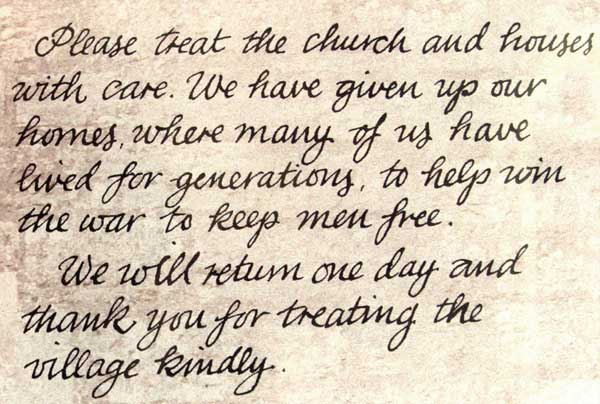
The Note Left on The Church Door
Did The Villagers Ever Return?
Until now, despite a number of high-profile campaigns, the original residents have never been allowed to return to their homes.
The reality, however, was that Tyneham became trapped in time, frozen in its wartime state. The houses, school, church, and other buildings were preserved, but the villagers were never able to reclaim their community.
Today, Tyneham Village stands as a living memorial to its former residents and a reminder of the sacrifices made during times of conflict.
The decision to leave was borne out of the necessity of supporting the war effort, but it left behind a void that can still be felt among those who visit the village and learn about its history.
Sadly, nearly early all the evacuees have now passed away. Their last thoughts and memories were captured on the Tyneham Remembered DVD. Because of this, it remains unlikely that the government will release the village.
The village of Tyneham has remained as if frozen in time for the last 80 years.
When Tyneham village is open, it’s a lovely place to visit and provides a glimpse into the past of how life used to be in this quaint little village. Please check the opening dates before visiting.
FAQs
Is Tyneham Village Open Today?
Tyneham Village is open to the public through much of the summer and most weekends. Check the Opening Times page for the most current information.
Are Tyneham Ranges Open Today?
Access to Tyneham Ranges may vary, as they are still used for military training. Before planning a visit, it’s recommended to check the official website or local authorities for the most up-to-date information on accessibility.
How Much Does it Cost to Visit Tyneham?
Entry to Tyneham Village is free of charge. Visitors can explore the village and its surroundings without any admission fees. (There is a donation box at the car park if you would like to leave a charitable donation). This provides an opportunity for people to experience the historical significance and natural beauty of Tyneham without any financial barrier.
Is Tyneham Village Open Today?
Tyneham Village is open to the public through much of the summer and most weekends. Check the Opening Times page for the most current information.
Is There Parking at Tyneham Village?
Yes, there is parking available at Tyneham Village for visitors. Adequate parking facilities are provided to accommodate those exploring the village and its surroundings.
Are There Toilets at Tyneham Village?
Yes, there are toilet facilities available for visitors at Tyneham Village. These amenities ensure a convenient and comfortable experience during your visit.
Are Dogs Allowed?
Yes, dogs are welcome at Tyneham Village. However, they should be kept on a leash and under control to respect the area’s natural environment and the comfort of other visitors.
Is There Anything Else to See Near Tyneham Village?
A walk down to Worbarrow Bay is highly recommended. From there you can climb up Worbarrow Tout or walk up to Flower’s Barrow.
Is Tyneham Village National Trust?
No, Tyneham Village is not owned or managed by the National Trust. It is owned by the Ministry of Defence and is operated as a heritage site for public visitation.
Where Is Tyneham House?
Tyneham House, unfortunately, no longer exists. It was the manor house of Tyneham Village but was requisitioned by the military during World War II and later demolished. The village’s other buildings and ruins still offer insight into its history. Click here to learn more about Tyneham House.